Product Description
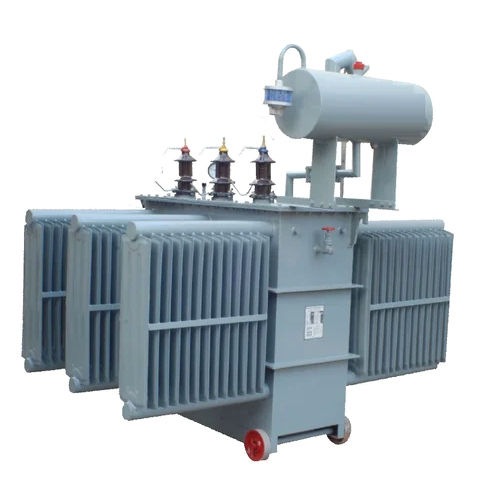
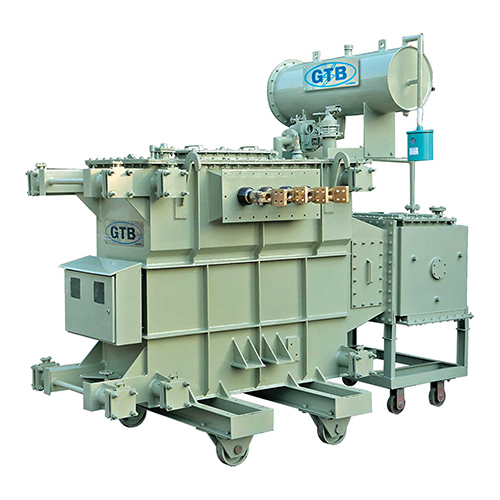
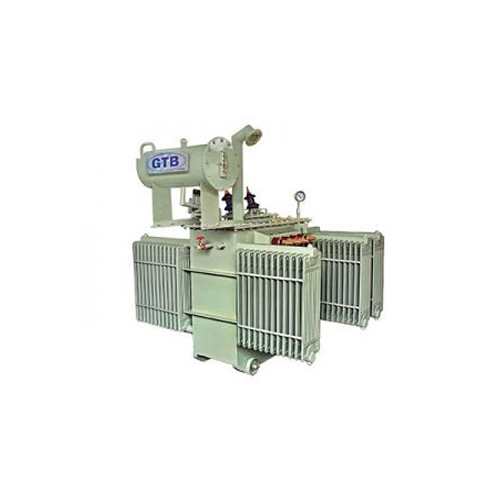
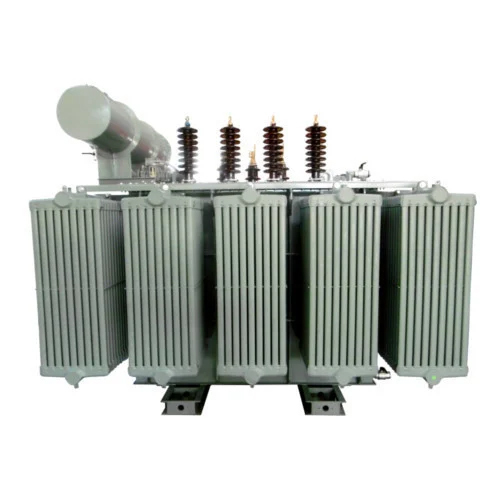
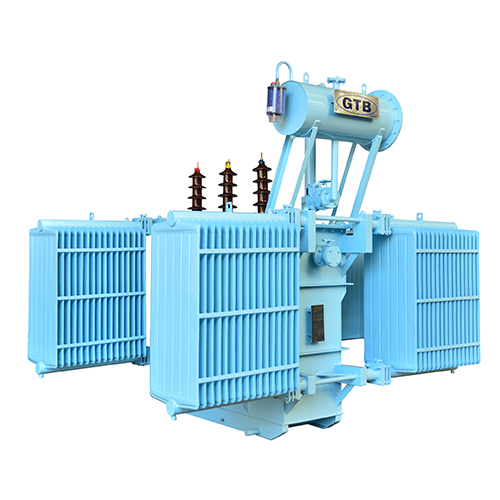
Three Phase Distribution Transformers are power distribution network electrical transformers that convert high voltage energy to low voltage power for use in homes, businesses, and industrial purposes. They are designed to support three-phase electrical power and feature three primary and three secondary windings. These transformers, which are often located on utility poles or in electrical substations, are utilized to deliver power to various consumers. They are available in a variety of sizes and ratings to meet the specific needs of various applications. Three Phase Distribution Transformers are crucial components of the electrical grid, and their efficient operation is required for dependable energy distribution.
Reliable Industrial Power DeliveryThese transformers deliver robust power distribution for a range of industrial applications, supporting a span of voltages (11kV/22kV/33kV primary, 415V/433V secondary) and capacities up to 2500 kVA. Engineered for seamless operation, their superior winding and core structure ensure high performance and minimal losses, even at peak loads.
Engineered for Durability and SafetyConstructed with mild steel tanks and advanced epoxy/PU/polyester powder-coated finishes, these transformers resist corrosion and tough weather. Safety is reinforced with HT fuse, LT ACB/MCCB, Buchholz relays for larger units, pressure relief valves, and silica gel breathers, making them ideal for demanding industrial environments.
Compliance with Indian StandardsFully conforming to IS 1180 and IS 2026, these transformers guarantee standardized performance and safety. Each unit is designed and tested for 2-second short-circuit withstand, maintains losses as per IS, and is built with high-quality copper or aluminium windings, providing assurance in both quality and efficiency.
FAQ's of Three Phase Distribution Transformers:
Q: How does the step-lap CRGO laminated core design benefit transformer performance?
A: The step-lap CRGO laminated core minimizes core losses and enhances magnetic flux distribution, resulting in greater efficiency and reduced noise. This design also contributes to improved transformer reliability and longer service life by decreasing hot-spot temperatures during operation.
Q: What safety features are incorporated in these distribution transformers?
A: Safety features include HT fuses, LT ACB/MCCB circuit breakers, Buchholz relays (for larger ratings), pressure relief valves, silica gel breathers, oil level indicators, and dual earthing terminals, ensuring protection against faults, overheating, and pressure build-up.
Q: When should transformer oil be checked or replaced?
A: Transformer oil, compliant with IS 335, should be regularly checked for dielectric strength, moisture content, and contamination. Routine inspections are typically scheduled annually, but conditions or critical operation may necessitate more frequent testing or replacement.
Q: Where can these transformers be mounted for operation?
A: These distribution transformers support versatile mounting arrangements, including pole, plinth, or pad-mounted installations, allowing integration into diverse infrastructure projects-industrial facilities, utility distribution grids, and remote locations as required.
Q: What is the typical service life of these transformers with proper maintenance?
A: With recommended maintenance and regular inspections, these transformers provide a typical operational service life of up to 25 years, contributing to long-term cost savings, reliability, and uninterrupted power supply.
Q: How do the voltage ratings and capacities vary to match different applications?
A: The transformers are available in a range of rated voltages-primary (11kV, 22kV, 33kV) and secondary (415V, 433V)-and capacities (25 kVA to 2500 kVA). Customization options ensure that each unit matches specific application requirements, from small commercial loads to heavy industrial usage.
 08045801719
 Certified ISO 9001:2015







 Send Inquiry